skip to main |
skip to sidebar
Until recently, I'd never heard a mastadong. Actually, I didn't even know such a thing existed. Listening to the Los Angeles-based band Dengue Fever however, I was eventually able to pick it out from the swirl of sounds, a hybrid instrument created by combining an American electric guitar with a two-string Cambodian chapei dong veng. Strange though it may be, the mastadong is a fitting symbol for a group that categorizes its music as Asian Psychedelic. In my Two Minute Interview with co-founder and keyboard player Ethan Holtzman, he told me about performing at a cult compound, meeting Beck in Norway, and touring Southeast Asia as a cultural ambassador. Dengue Fever is currently on tour.
- How has travel influenced your music or changed your songwriting? Travel has had an impact on our music. The initial idea to form Dengue
Fever came after I'd traveled to Cambodia and discovered some of the
recordings they made during the late ‘60’s early 70’s. Also playing
festivals around the globe with bands like Seun Kuti and the Egypt 80,
for example. You can hear an influence in the rhythm on the song
"Only A Friend" off our new album Cannibal Courtship.
For years, Corona has shrewdly marketed itself as the beer to order at any beach, anywhere, claiming to possess "the unparalleled flavor of relaxation." Whatever that means. Personally, television ads featuring tropical shorelines and a soundtrack of crashing surf won't persuade me to buy a bottle of fizzy corn juice disguised as alcohol. Besides, I'd rather drink something brewed locally. Which is why I was happy to share some of my recent beach beer finds in the September issue of Travel + Leisure Southeast Asia.
No, Grupo Modelo's popular lager isn't particularly hard to come by in Thailand, Cambodia, or Vietnam, but given the choice, I'll take a fruity Red Ale or a citrus-tinged Passion Beer at Nha Trang's Louisiane Brewhouse any day of the week. Reserve an umbrella and a beach chair with views of the South China Sea for 35,000 Vietnamese đồng (about $1.68) and spend a leisurely afternoon choosing a favorite by working your way through their tasting tray ($4.80 for four 200 ml glasses). Or, if you find yourself island hopping in Cambodia and craving some refreshment with a shade of bitterness, ask for Clouded Leopard Pilsener (usually around $2), made by Kingdom Breweries in Phnom Penh. The mildly spicy Saaz and Hallertau hops used in this beer mean that even without a wedge of lime, you can count on plenty of taste.
Of course I found my favorite place in Siem Reap during my last few hours there. After three full days of touring Angkor Wat, clambering over ancient piles of brick and sandstone, my friends and I needed to refuel before making the eight hour land journey back to Bangkok. So, avoiding the Old Market's tourist-clogged streets and alleys, we crossed over to the eastern side of the Siem Reap River and followed Wat Bo Road to Peace Cafe.
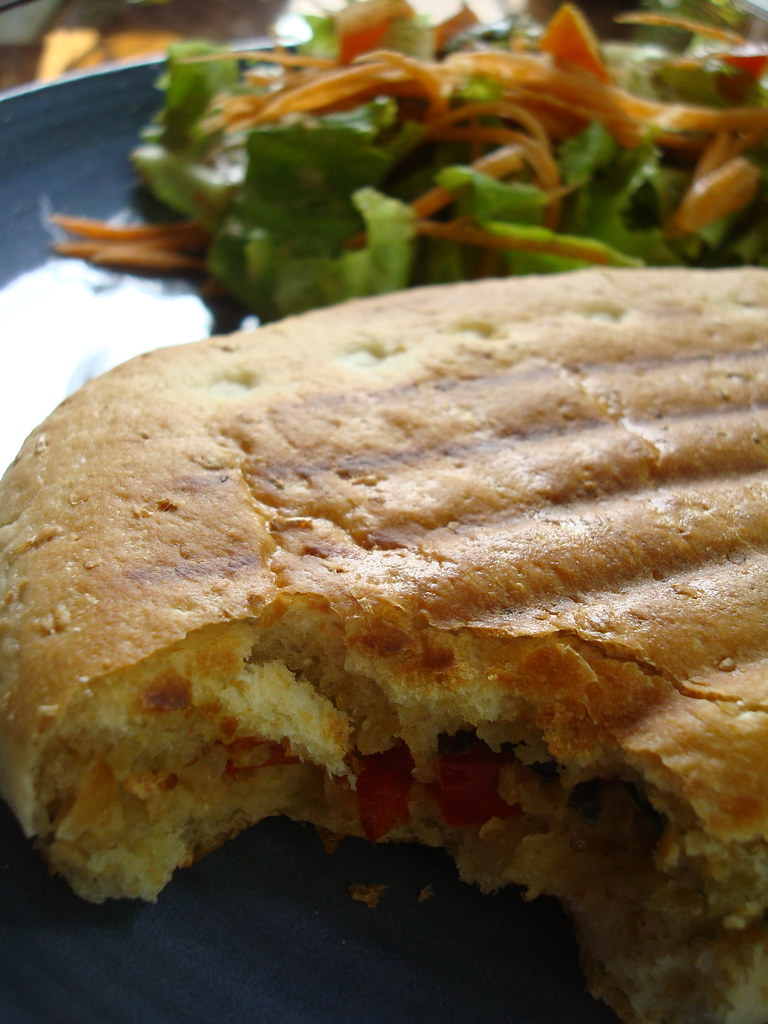
Seconds after stepping into the shaded garden we knew we'd made the right choice. The vegetarian menu was excellent (I ordered an extra thick peanut butter shake and a panini with roasted red pepper and hummus) as well as affordable. Nothing was more than $4 and most dishes were in the $2 range. And while I decided against alcohol with lunch, I couldn't help noticing that they served beer, too. What impressed us most of all though, was their dedication to education and sustainable social enterprise.
Besides preparing healthy food, Peace Cafe runs Khmer cooking courses using fresh herbs grown in their garden. Khmer language lessons and yoga are offered five days a week and Pilates classes are held on Tuesdays and Fridays. Monk Chats on Wednesday and Saturday evenings serve as an informal (and free) introduction to Buddhism. Plus, anyone looking to leave with a Cambodian souvenir—edible or otherwise—will be happy to know about Peace Cafe's bakery and Fair Trade Shop. I would've stayed longer, but we had to catch a taxi to the Thai border. I do plan to make it back however. For more vegetarian dining suggestions in Siem Reap and elsewhere, visit HappyCow.
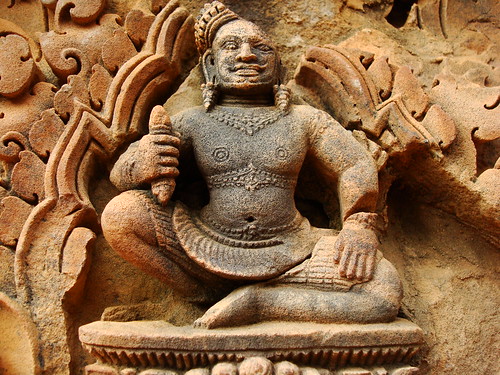
Last weekend I made my first trip to Cambodia. Like countless other travelers, my primary reason for visiting was to see Angkor Archaeological Park, an enormous complex containing more than 300 Hindu and Buddhist monuments built between the 9th and 13th centuries. What struck me about the site though, other than the scale of the architecture itself, were the thousands of Khmer people eking out a living in the shadow of a ruined city; a former capital considered to have been one of the largest and most prosperous in Southeast Asia. Follow this link to view my photos from Angkor Wat.



 Posts
Posts

